
Choosing Paint Colors
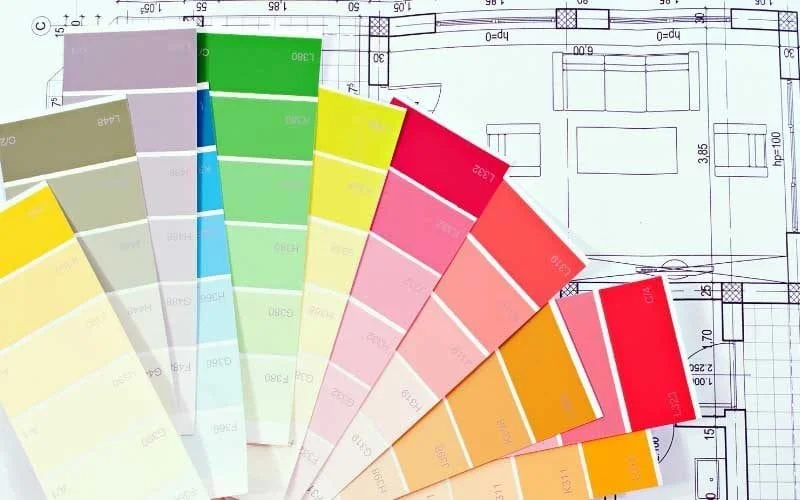
Choosing Paint Colors Without Regret: Why It’s Harder Than You Think
Picking paint colors sounds easy… until you actually try to do it. You start with a simple idea: “We just want a warm white for the living room”. Three hours later, you’re staring at 27 paint samples taped to the wall, questioning your life choices because every white suddenly looks pink, yellow, blue, or gray depending on the time of day.
At our company, we hear this all the time. Choosing paint colors is one of the most stressful parts of a home project - not because homeowners don’t know what they like, but because paint behaves very differently in real spaces than it does online or in a store.
The good news? There’s a smarter way to approach color selection that can save you time, frustration, and expensive repainting mistakes.
Why Choosing Paint Colors Is So Frustrating
Paint color is affected by almost everything around it:
Natural Light
LED vs Warm Lighting
Flooring Tones
Furniture Colors
Ceiling Height
Room Size
Time of Day
Sheen/Finish
That beautiful “soft beige” you saw online can suddenly look peach in your living room. A crisp white can turn icy blue. And dark colors often appear much darker once they cover an entire wall.
One of the biggest mistakes homeowners make is choosing paint from tiny color chips under fluorescent store lighting. Paint needs context. A color that looks perfect on a 2 inch sample can feel completely different when it’s covering 400 square feet.
The Best Approach To Choosing Paint Colors
1) Start With the Feeling, Not the Color -
Before looking at paint swatches, ask yourself: How do I want this room to feel? - Calm & relaxing? Bright and energentic? Warm and Cozy? or Clean and Modern? This matters more than chasing trendy colors.
Soft, warm, whites and greiges create comfort and warmth
Cool grays and crisp whites feel modern and clean
Earthy greens and blues create calm, natural spaces
Deep accent colors add drama and depth
2) Choose Your Largest Fixed Elements First -
Always work around the things you are not changing.
Flooring
Cabinets
Countertops
Tile
Stone Fireplaces
Large Furinture Items
Your paint color should complement these elements - not fight against them.
2) Paint Color Apps Can Help Can You Started -
Paint visualization apps have improved dramatically in recent years. While they’re not perfect, they can help you narrow down options before buying samples.
Some popular paint color tools include:
Remember: Paint apps are just visual guides - not final decision makers. Here’s some tips on how to use them effectively:
Use high quality photos - take photos during the daytime with natural lighting. Dark or yellow-lit photos can distort colors dramatically.
Don’t trust exact shade - Phone screens, monitors, and app rendering are never fully accurate. Use apps to compare general color direction, not exact tones.
Look at Undertones - Apps help identify whether a color leans warm, cool, green, blue, yellow or pink.
Always test real paint samples. No app can fully replicate lighting changes, paint sheen, wall texture or room reflections.
3) Test Paint Samples Properly & Narrow Your Choices Down to 2-3 Colors -
Never judge a paint color from:
A phone screen
A tiny paint chip
Someone else’s house
Instead:
Buy sample sizes of paint
Paint large test areas on multiple walls
Look at them morning, afternoon, and evening
Compare them in natural and artifical light
When in Doubt, Simplify
One of the best professional tips is surprisingly simple: Choose fewer colors.
Homes feel more cohesive and expensive when the color palette is consistnet throughout the space. Using variations of the same neutral tones created flow and reduces visual clutter.
Sometimes the best paint choice isn’t the boldest one - it’s the one that feels comfortable to you each and every day.
Final Thoughts: Choosing paint colors can absolutely feel overwhelming. With thousands of shades available and lighting constantly changing how colors appear, it’s easy to second-guess every decision. But the process becomes easier when you:
Focus on the feeling you want
Work with your existing finishes
Use paint apps as guides
Test real samples in your home
Give yourself time before deciding
The right paint color doesn’t just look good on a swatch - it feels right in your space! Contact Cobb Brothers Company to help you with your next painting project 508-655-7910.